
In the world of interior design and architecture, space planning is the cornerstone of functionality and aesthetics. One of the most crucial aspects of space planning is the layout of furniture. Thoughtful furniture arrangement doesn’t just fill a room—it defines its purpose, facilitates movement, enhances visual harmony, and supports the lifestyle or workflow of its occupants. In this blog, we’ll explore the vital role of furniture layout in space planning, examining its impact on both residential and commercial environments.
What is Furniture Layout in Space Planning?
Furniture layout is the strategic placement of furniture within a space to optimize the room’s use, flow, and aesthetics. It involves choosing the right furniture pieces, determining their sizes, and positioning them to maximize efficiency and comfort. Good furniture layout considers multiple factors such as the size of the space, architectural features, usage patterns, accessibility, and style preferences.
Why Furniture Layout Matters
Furniture layout plays a key role in space planning for several reasons:
1. Defines Functionality
Every room has a purpose, and furniture layout helps reinforce that function. For example:
- In a living room, seating arrangements foster conversation and relaxation.
- In an office, the placement of desks and chairs facilitates productivity and collaboration.
- In a dining area, the table and chairs encourage gathering and dining together.
A poorly planned layout can confuse the function of a space, making it uncomfortable and inefficient.
2. Enhances Traffic Flow
Efficient movement is essential in any well-designed space. Furniture should not block doorways, windows, or pathways. A smart layout ensures there’s enough clearance for people to walk freely, especially in high-traffic areas. The general rule is to leave at least 2 to 3 feet of walking space around furniture.
3. Promotes Comfort and Accessibility
Proper furniture layout takes into account ergonomics and accessibility. In residential spaces, it means positioning sofas, beds, and chairs where they can be used comfortably. In commercial spaces, it includes ensuring desks are placed at the right distance from computers or monitors, and meeting spaces are accessible to everyone, including those with disabilities.
4. Maximizes Space Utilization
Especially in small rooms or compact office spaces, the right furniture arrangement can make the area feel more spacious and organized. It helps in utilizing every square foot without cluttering the room.
5. Improves Aesthetics
A well-balanced furniture layout contributes to the visual harmony of a space. It helps highlight focal points, such as a fireplace or a piece of art, and maintains symmetry or intentional asymmetry that complements the design style.
Principles of Effective Furniture Layout
To create a functional and beautiful layout, space planners follow several guiding principles:
• Balance
Distribute visual weight evenly across the room. Avoid putting all heavy or large pieces on one side.
• Scale and Proportion
Match the size of the furniture to the size of the room. Oversized furniture can overwhelm a small space, while too-small furniture may look out of place in a large room.
• Focal Point
Identify and highlight a focal point, like a window with a view, a TV, or a fireplace, and arrange furniture around it.
• Rhythm and Flow
Create a sense of movement by aligning furniture in a way that naturally guides people through the space.
• Functionality First
Ensure that the layout supports the room’s primary function without unnecessary obstacles.
Residential vs. Commercial Furniture Layout
Furniture layout plays a different role depending on the type of space:
🏠 Residential Spaces
In homes, furniture layout focuses on comfort, lifestyle, and personal preferences. Key considerations include:
- Family size and daily routines
- Entertainment and relaxation needs
- Storage requirements
- Aesthetic preferences (e.g., minimalist, traditional, contemporary)
Example: In a family room, a sectional sofa arranged around a coffee table and television creates a cohesive and inviting space for family gatherings.
Commercial Spaces
In offices, retail stores, or hospitality venues, layout aims to support productivity, branding, and customer experience. Key considerations include:
- Employee collaboration and privacy
- Workflow and operational efficiency
- Client and visitor impressions
- Safety regulations and accessibility
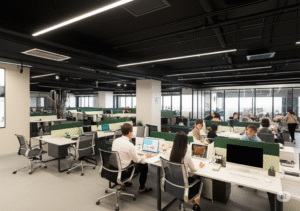
Example: In an open office, workstations may be arranged in clusters to promote teamwork, while quiet zones are designated for focused tasks.
Technology in Furniture Layout and Space Planning
Modern technology has revolutionized space planning, allowing designers and planners to use digital tools for layout optimization.
Tools like:
- AutoCAD
- SketchUp
- Revit
- RoomSketcher
- Planner 5D
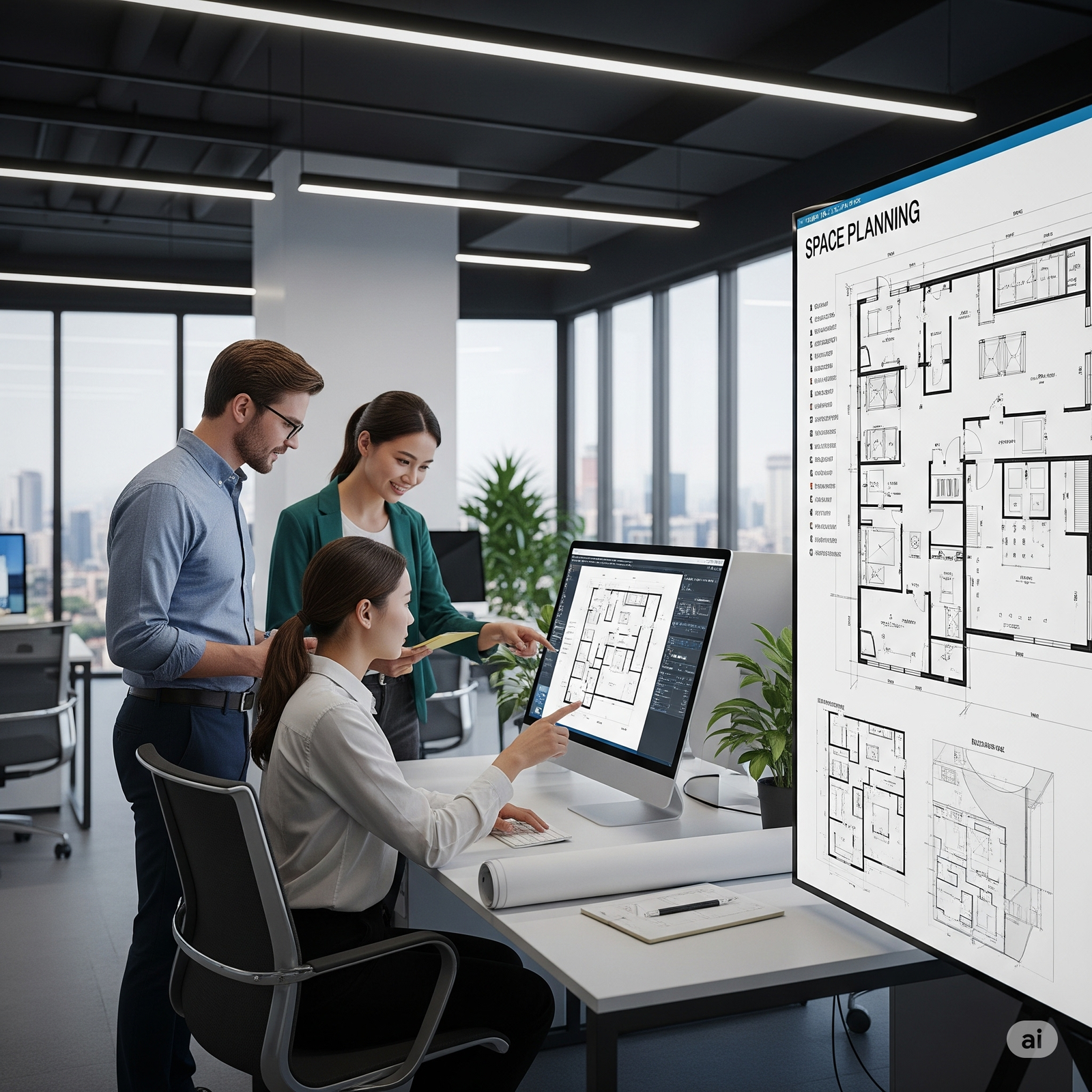
These tools help visualize and test different furniture layouts before implementation, reducing costly errors and allowing clients to see the finished design virtually.
Common Furniture Layout Mistakes to Avoid
- Ignoring Scale: Using furniture that is too large or too small for the room.
- Blocking Pathways: Poor circulation due to misplaced furniture.
- Overcrowding: Trying to fit too much furniture in one space.
- Neglecting Function: Choosing aesthetics over usability.
- Poor Lighting Alignment: Furniture placed away from natural light or without proper artificial lighting.
- Floating Furniture without Purpose: Placing pieces randomly without a connection to other elements or functions in the room.
- Ignoring the Viewpoint: Placing seating away from the focal point or television, making it uncomfortable to use.
The Psychology of Space and Furniture Arrangement
Furniture placement affects more than just how a room looks—it impacts how people feel and behave in a space. For instance:
- Open layouts create feelings of freedom and openness but may lack privacy.
- Enclosed or zoned layouts provide comfort, privacy, and a sense of order.
- Circular arrangements foster community and conversation.
Understanding the psychology of spatial arrangements helps designers create environments that promote well-being, creativity, and efficiency.
Tips for an Ideal Furniture Layout
- Start with a Floor Plan: Measure the room and plot furniture to scale before arranging.
- Prioritize the Essentials: Place large, necessary pieces first (like sofas, beds, or desks).
- Layer Accessories: Add rugs, lighting, and decor to define zones and enhance ambiance.
- Use Multi-functional Pieces: Ottomans with storage, fold-out desks, and modular sofas help save space.
- Think Vertically: Wall-mounted storage or shelving helps maximize limited square footage.
Final Thoughts
The layout of furniture is more than just arranging pieces in a room—it’s a strategic component of space planning that influences how spaces are used, experienced, and enjoyed. A well-thought-out furniture layout enhances comfort, promotes efficient use of space, and contributes to the overall success of interior environments.
Whether you’re designing a cozy living room, a productive office, or a high-traffic commercial space, investing time in planning your furniture layout will pay off in comfort, style, and functionality.
If you’re planning a new space or looking to redesign an existing one, consider consulting a space planning professional to help you get the most out of your furniture layout